230 V AC · AC charging
Single-phase
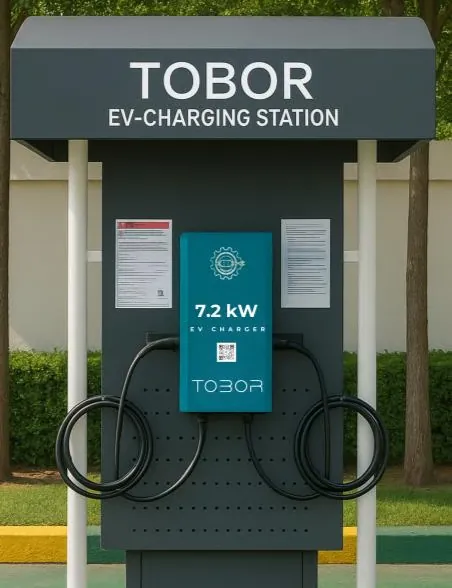
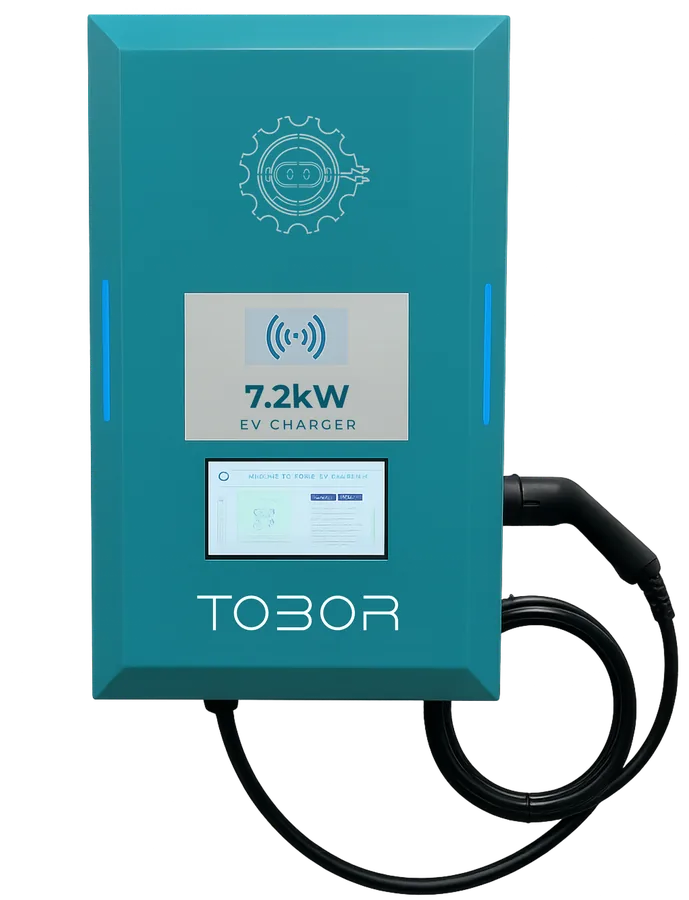
Everyday charging at home, in villas and residential parking.
AC wallboxes for homes and societies, CCS2 DC fast chargers for highways and fleets, and low-voltage DC for two- and three-wheelers. Charger controllers, PLC communication and the CSMS are designed by TOBOR in Gurugram.
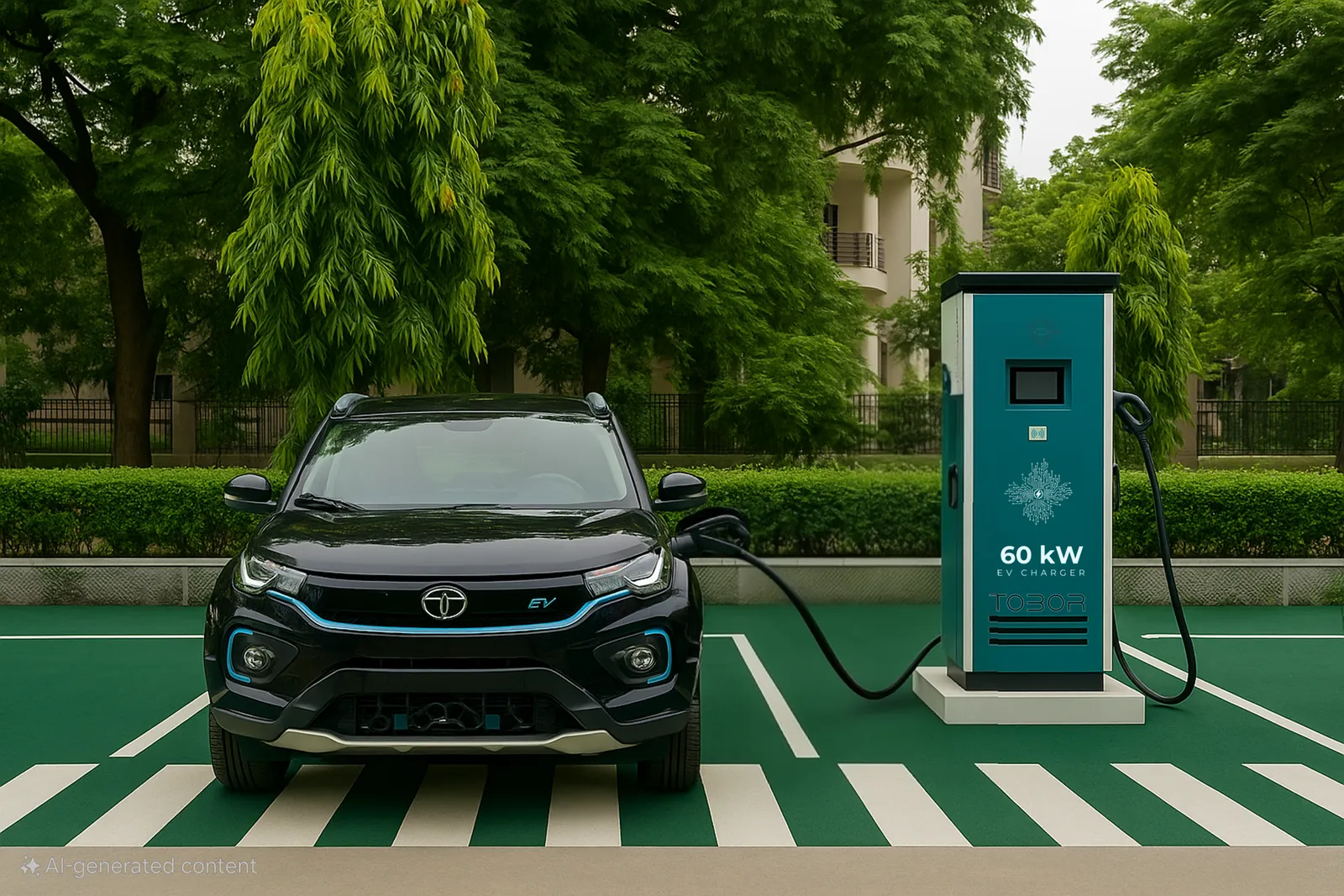
Explore each dedicated range, from our highest-selling light EV chargers to destination AC and high-power CCS-2 DC.
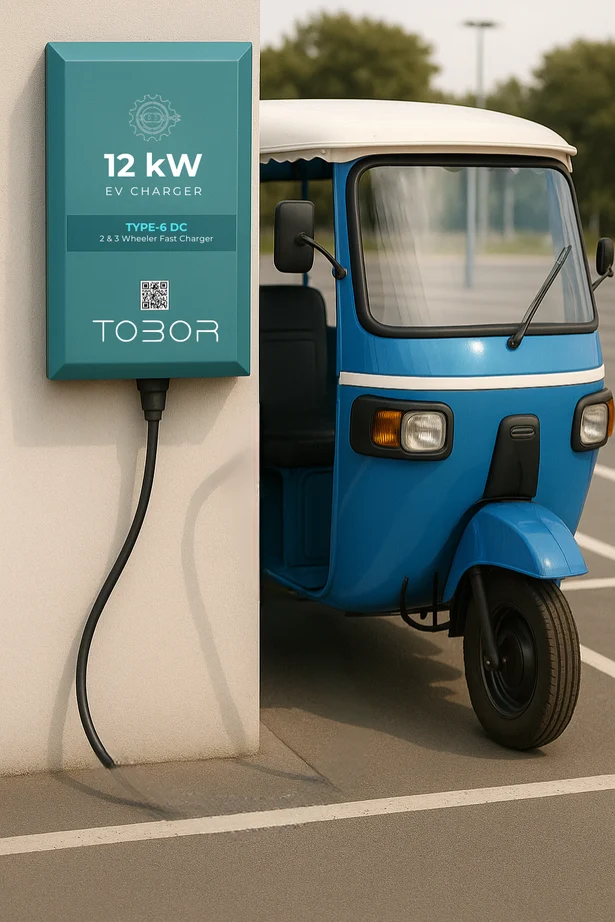
Low-voltage DC for two- and three-wheeler fleets. Our highest-selling charging category.
Explore the rangeEveryday charging for homes, workplaces and destinations, with a companion 3.3 kW socket option.
Explore the range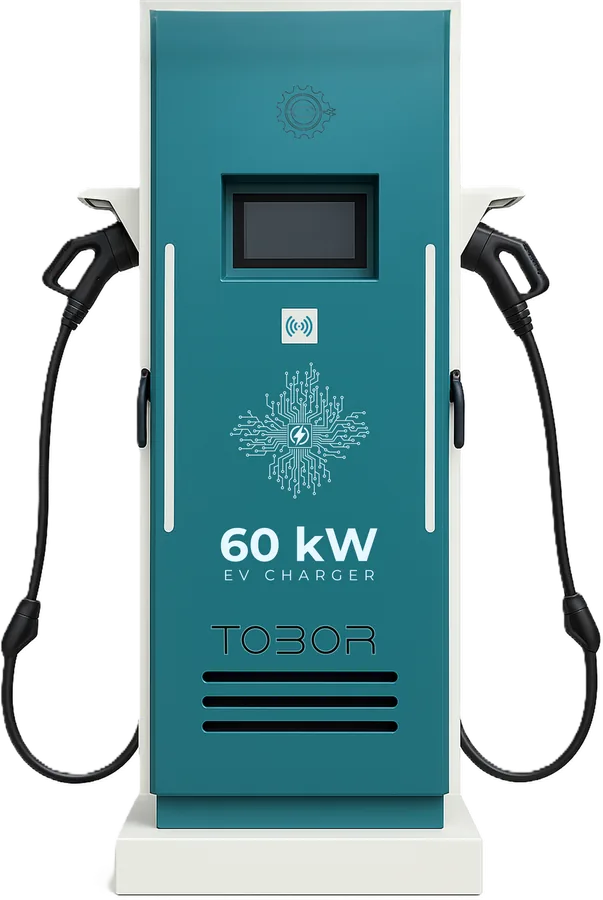
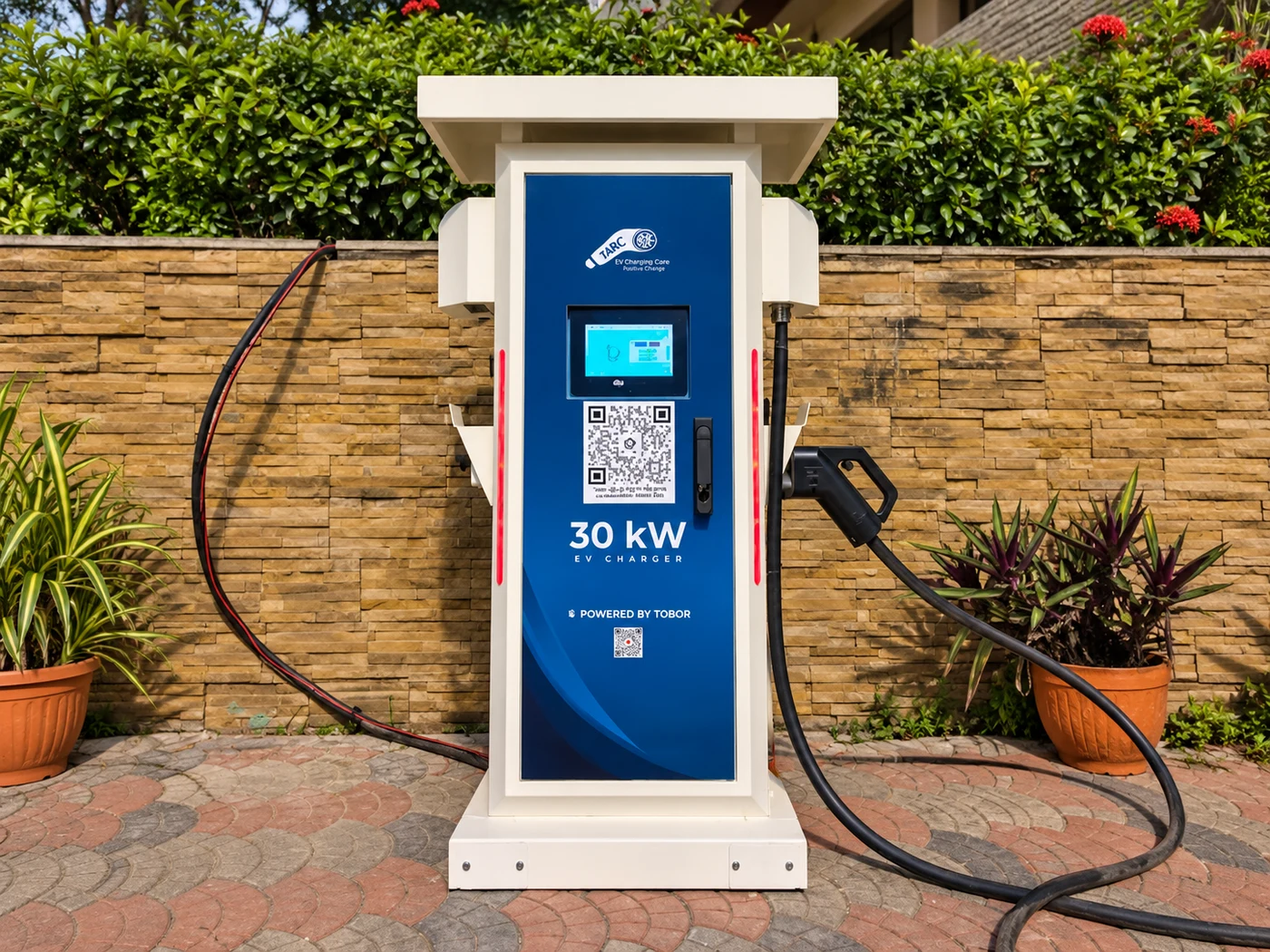
Fast charging for cars, highway sites and depots, with battery-buffered options for limited grid capacity.
Explore the rangeSingle-phase 3.3 and 7.2 kW for homes and villas; three-phase 11 and 22 kW for housing societies, offices and public AC bays. App, RFID and OCPP on the networked models.
Everyday charging at home, in villas and residential parking.
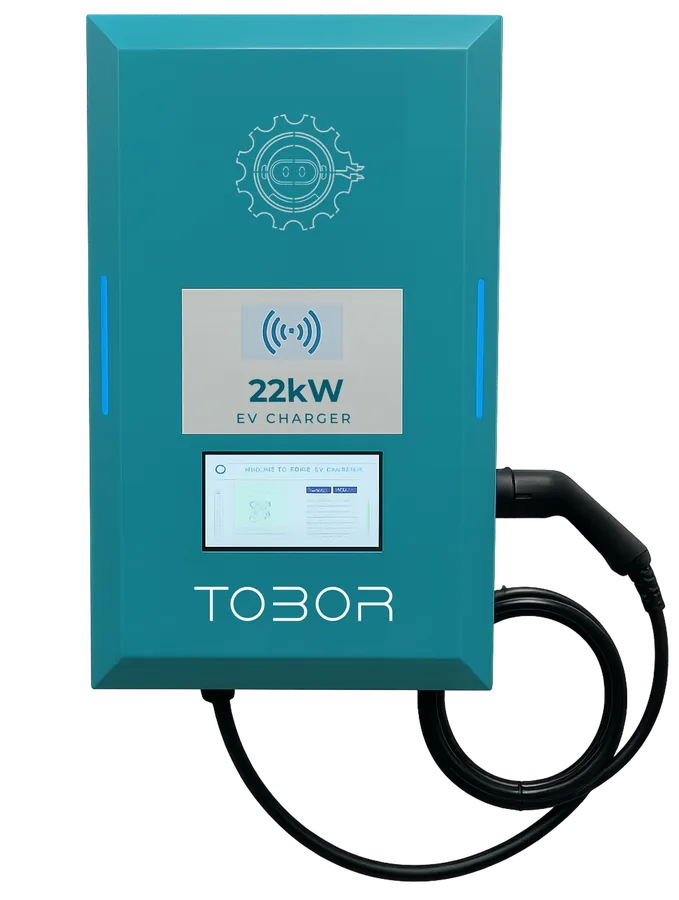
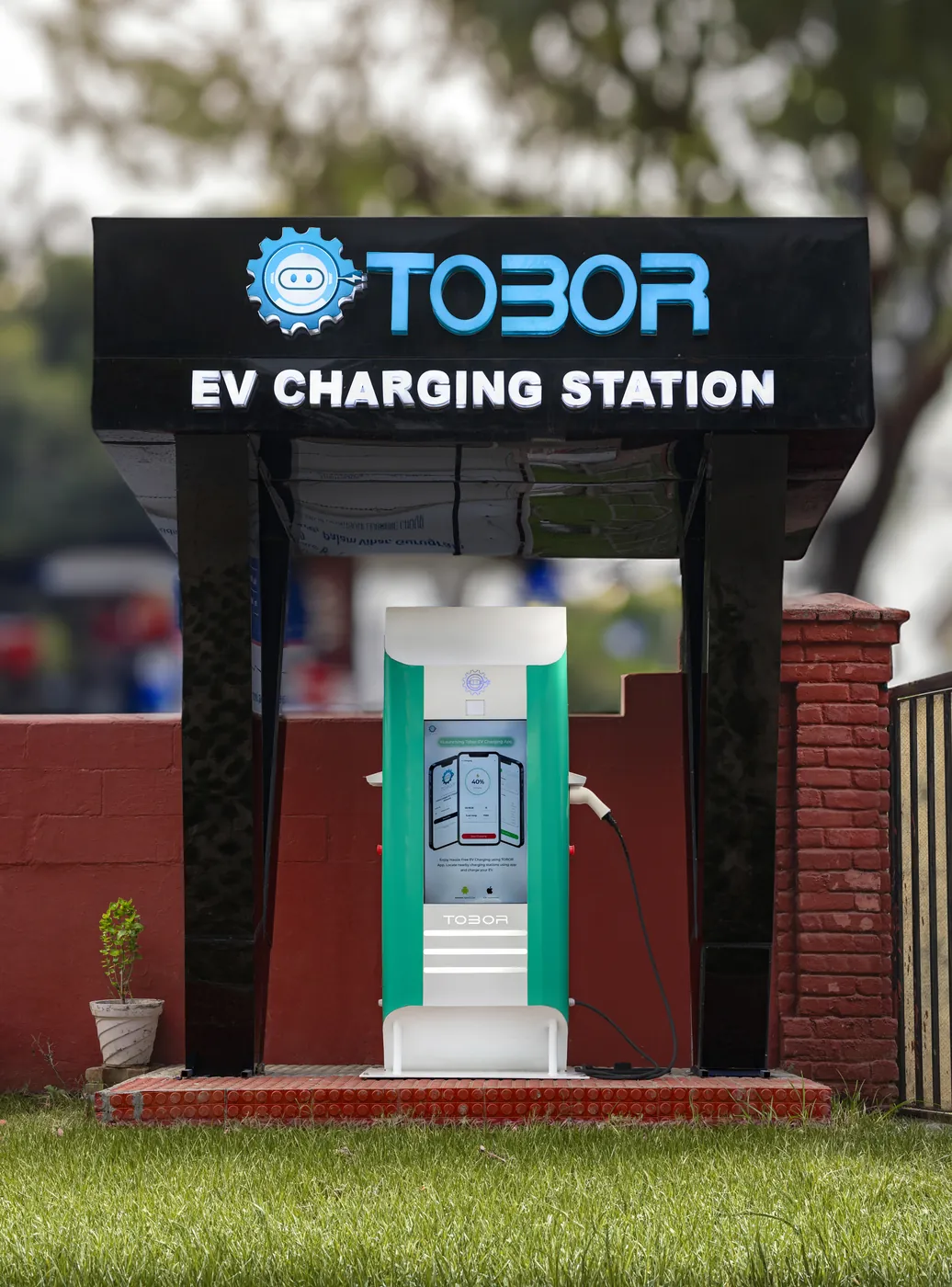
Destination charging for workplaces, hotels and shared parking.
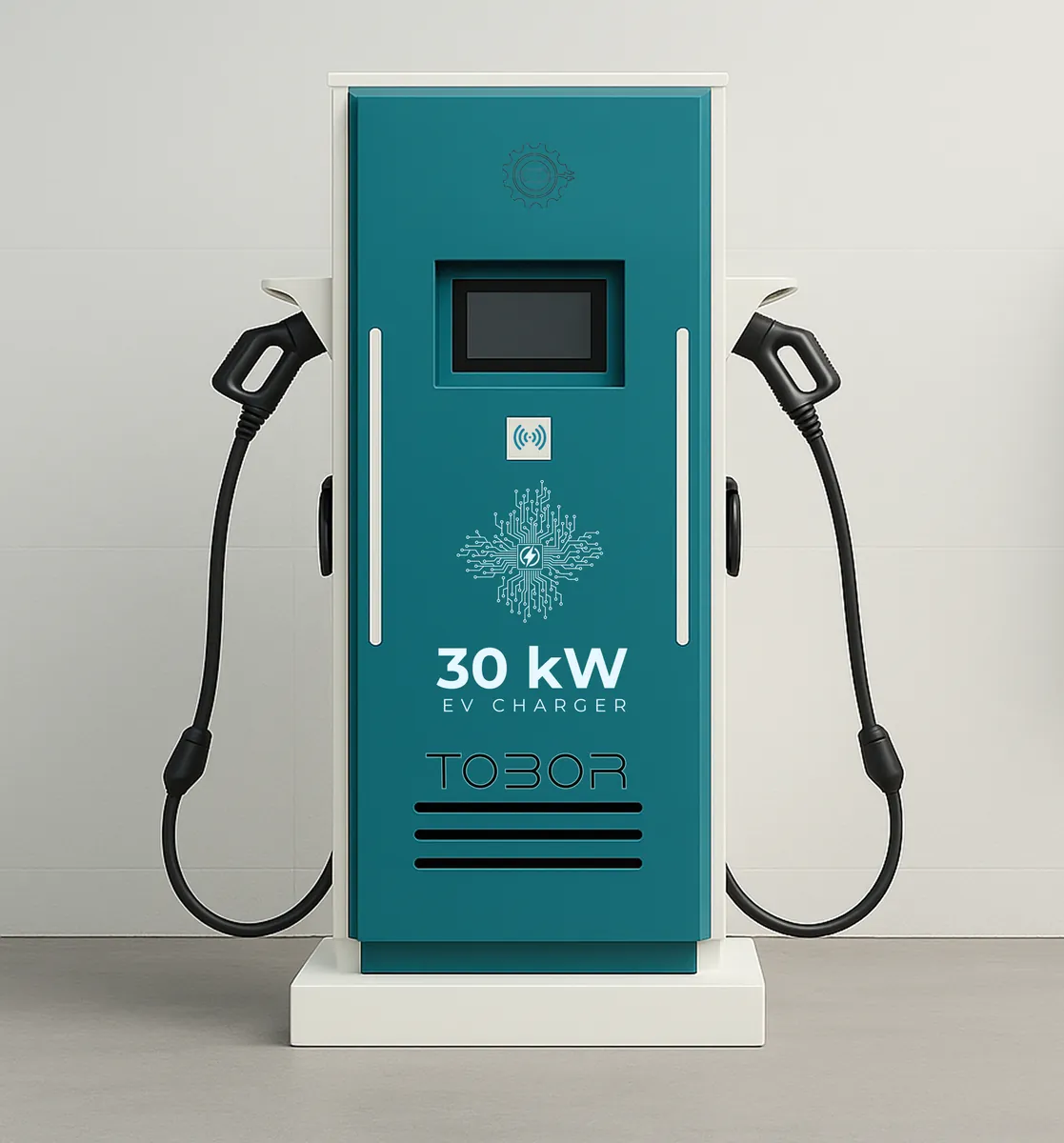
Every DC model runs a TOBOR charger controller with a 7-inch HMI, remote diagnostics and OCPP 1.6J. Output variants cover 0–500 V and 500–1000 V vehicle platforms.
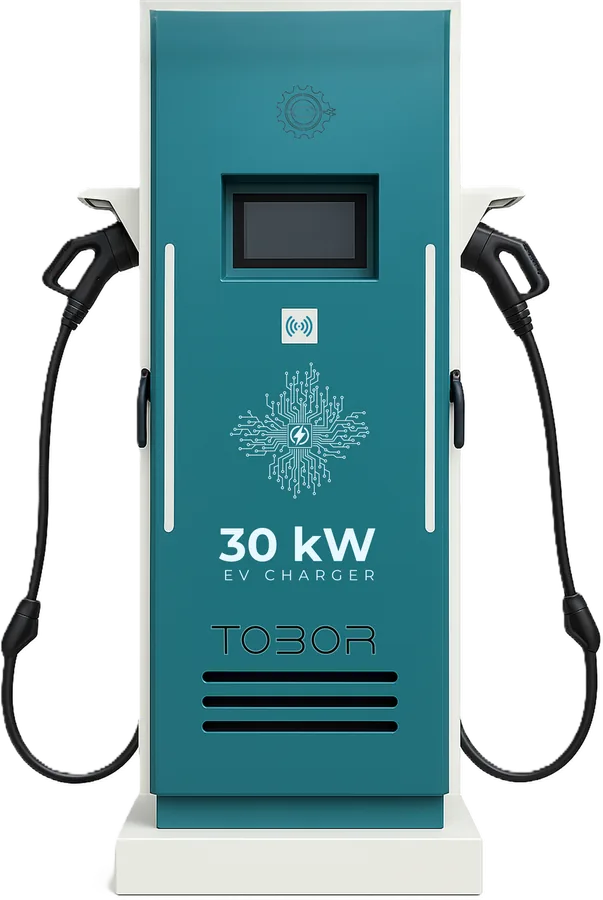
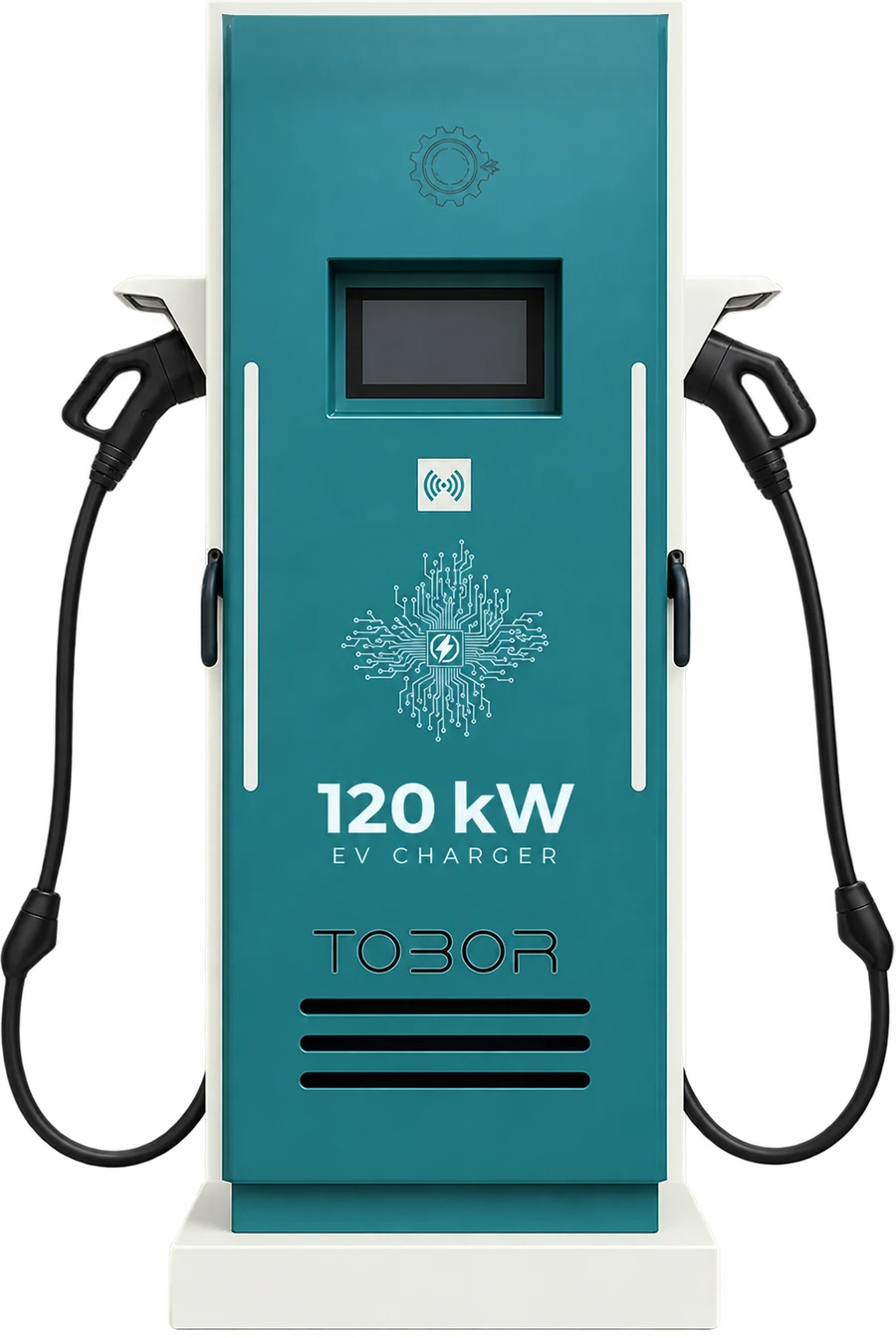
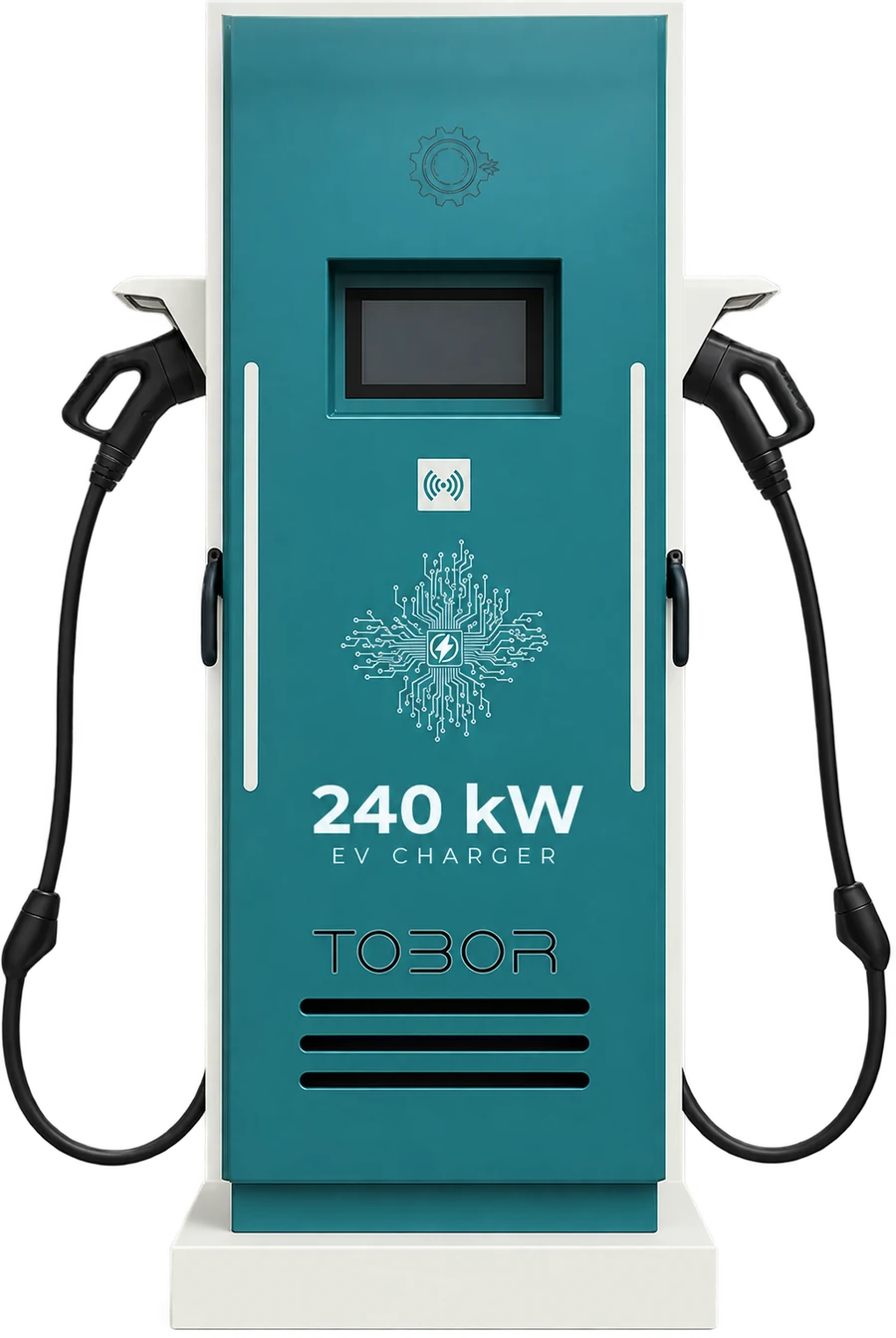
Output power is limited by the selected voltage/current envelope and by what the vehicle requests. Ratings are configuration maxima. 120 kW and 240 kW visuals illustrate the charger family; the final enclosure follows the project configuration.
Low-voltage DC chargers for delivery, shared-mobility and e-rickshaw fleets. Explore Type 6 and Type 7 configurations with QR access, app control and OCPP 1.6J, including the 12 kW model.
| Power | Configuration | Application |
|---|---|---|
| 3 kW | Type 6 or Type 6 / 7 configuration | 2W / 3W charging |
| 6 kW | Type 6 · single-phase input | Delivery fleets |
| 12 kW | Type 6 / 7 by configuration | Urban fleet hubs |
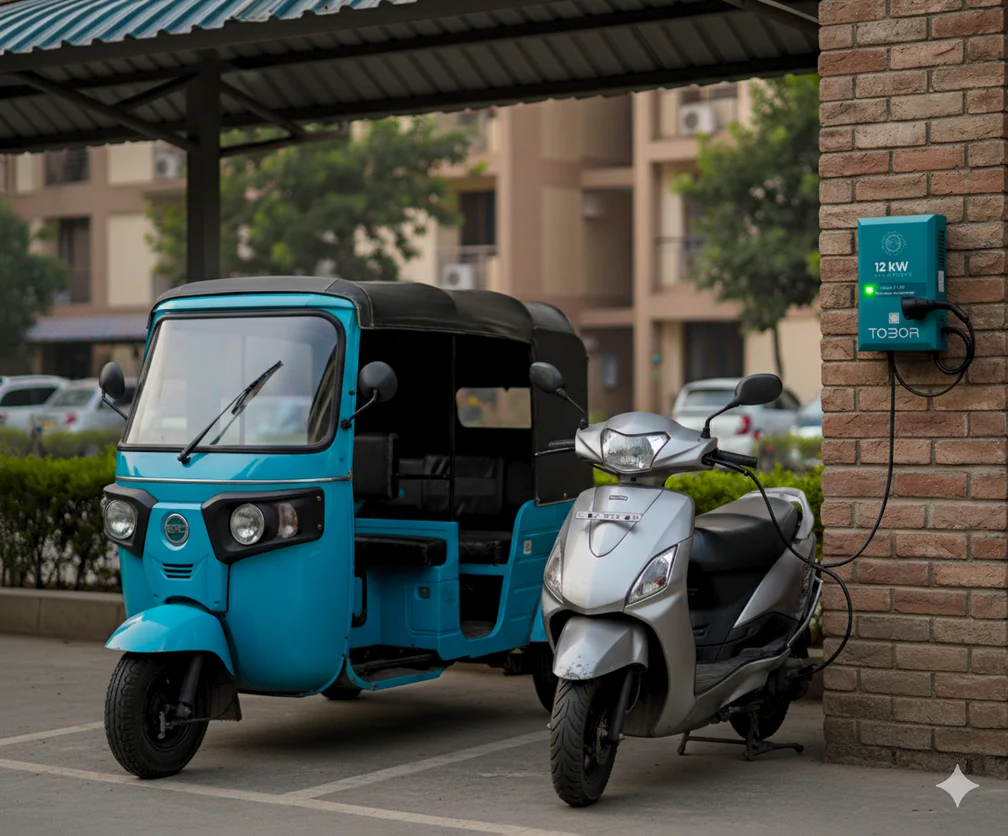
TOBOR CSMS, fleet management and the driver app connect charger telemetry to day-to-day operations. UPI payments are live in India.
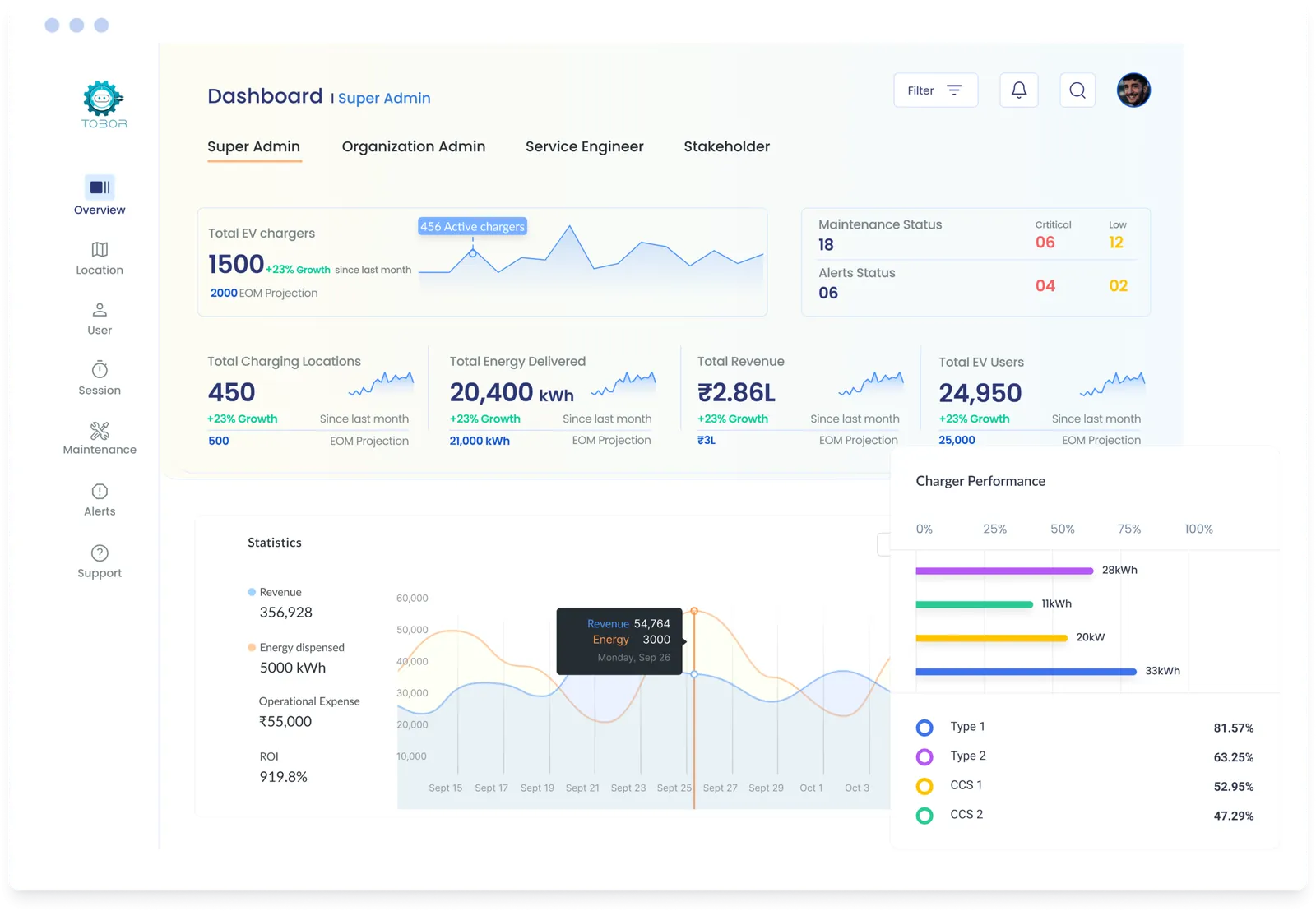
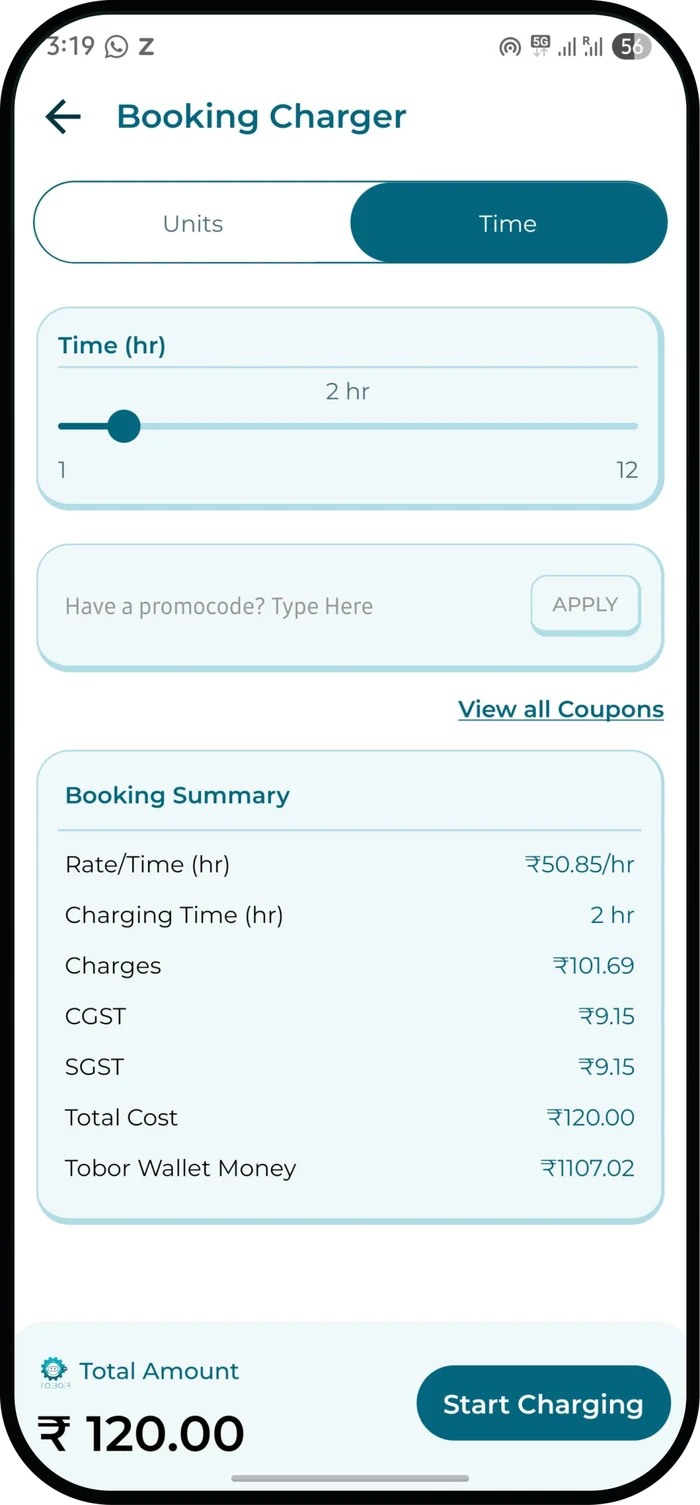
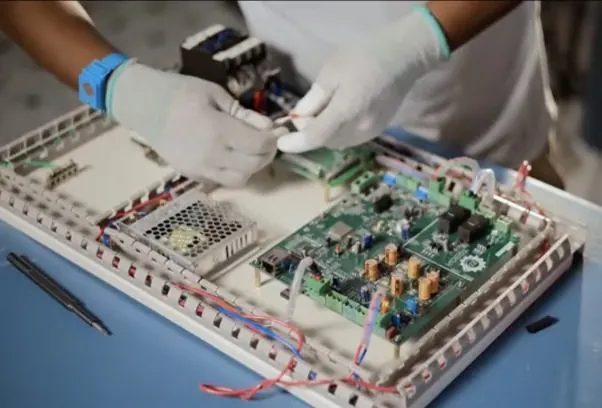
TOBOR designs the boards, communication modules and firmware inside its chargers, so changes, fault diagnosis and custom features don't wait on a third-party roadmap.
Protocol support varies by configuration. Plug & Charge and V2G depend on vehicle, backend and grid integration.
TOBOR chargers are running at commercial hubs, residential societies and public stations across India.
Store solar energy and refill from the grid between sessions. The battery supplies the burst of power when a vehicle plugs in.
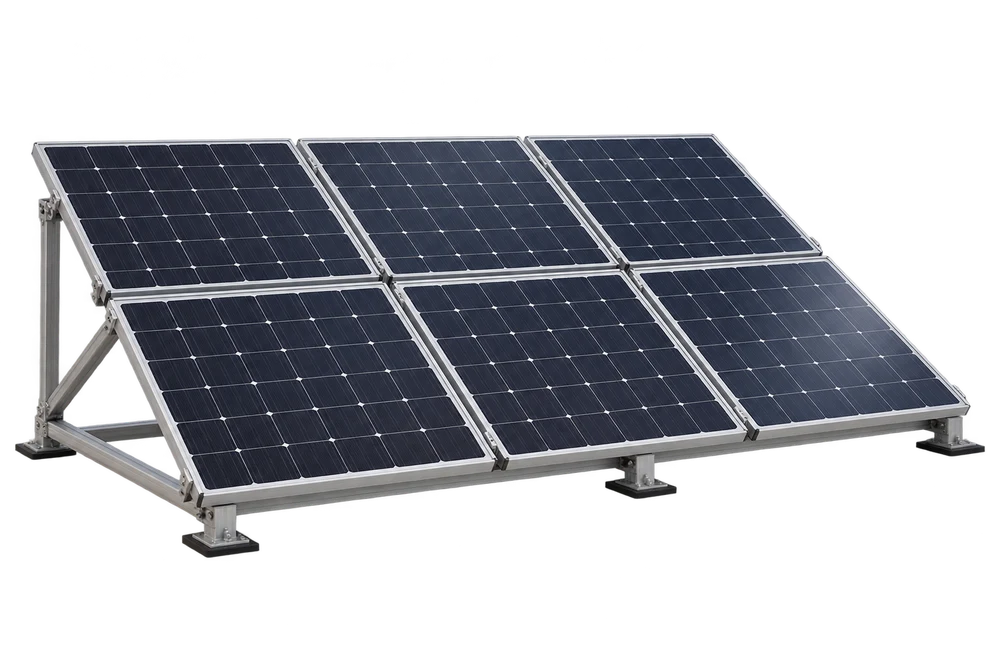
Daytime generation
Controlled top-up
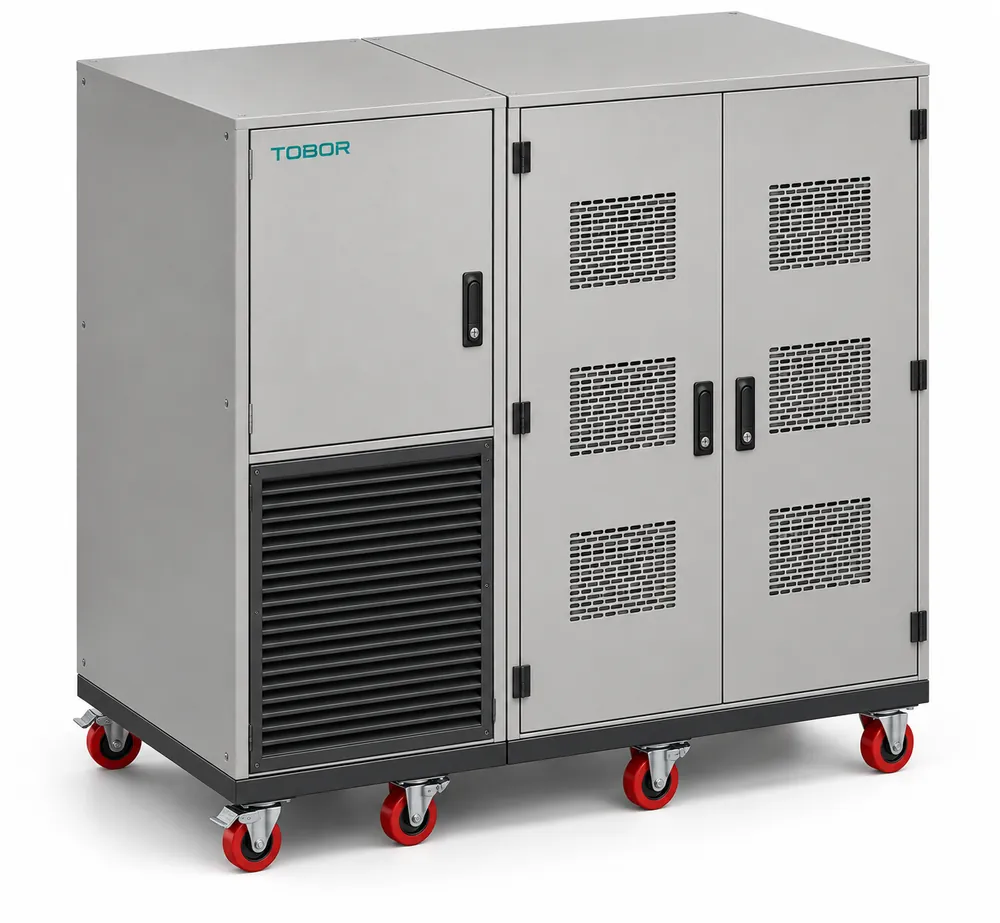
Store energy · buffer demand
Power when it is needed
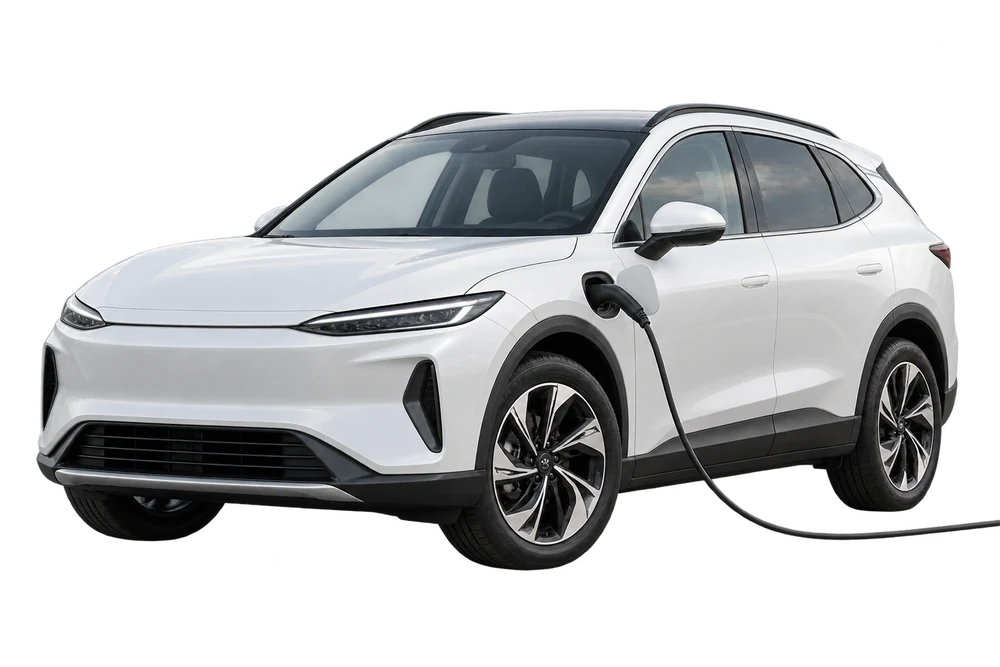
Charge & go
Conceptual energy flow. Power conversion and protection are configured for each site. Charging power and duration depend on battery state of charge, available energy and the vehicle.
A 240 kW fast charger on a 60 kW grid connection would normally need an expensive upgrade. A buffered BESS solves it for less.
Charger output is capped by the weakest link in the chain — usually the transformer or the utility connection.
Charger pulls from the battery, not the grid. Battery refills slowly from solar and trickle grid between sessions.
Multi-bay 240 kW DCFC plazas on highway pull-offs. A PTX-2000 or CTX-5000 container absorbs the burst load of 6–8 simultaneous vehicles without provoking the grid.
Overnight depot charging for fleet operators. Time-of-use arbitrage pays for the system in 3–4 years.
A PTX-125 system delivers two simultaneous 60 kW fast-charge ports without re-trenching MV cable.
Tell us the connector count, expected utilisation and grid capacity. We'll size the charger mix and, if the transformer is the bottleneck, the BESS and solar to go with it.